When Appearance Cannot Date Activity
In Frederick, a new-looking mark may draw your eye, but color alone cannot date termite activity. Active vs. old termite damage is a question of change and context, since older damage can remain after activity ends. A weathered trace also cannot rule out termites hidden from view.
A split-level near Memorial Hall or a home along Main Street still needs evidence read in context. Frederick’s familiar landmarks do not tell you when a trace formed. Compare what you see now with later observations and available inspection records before deciding whether the evidence may be current.
How Weather Changes Visible Clues
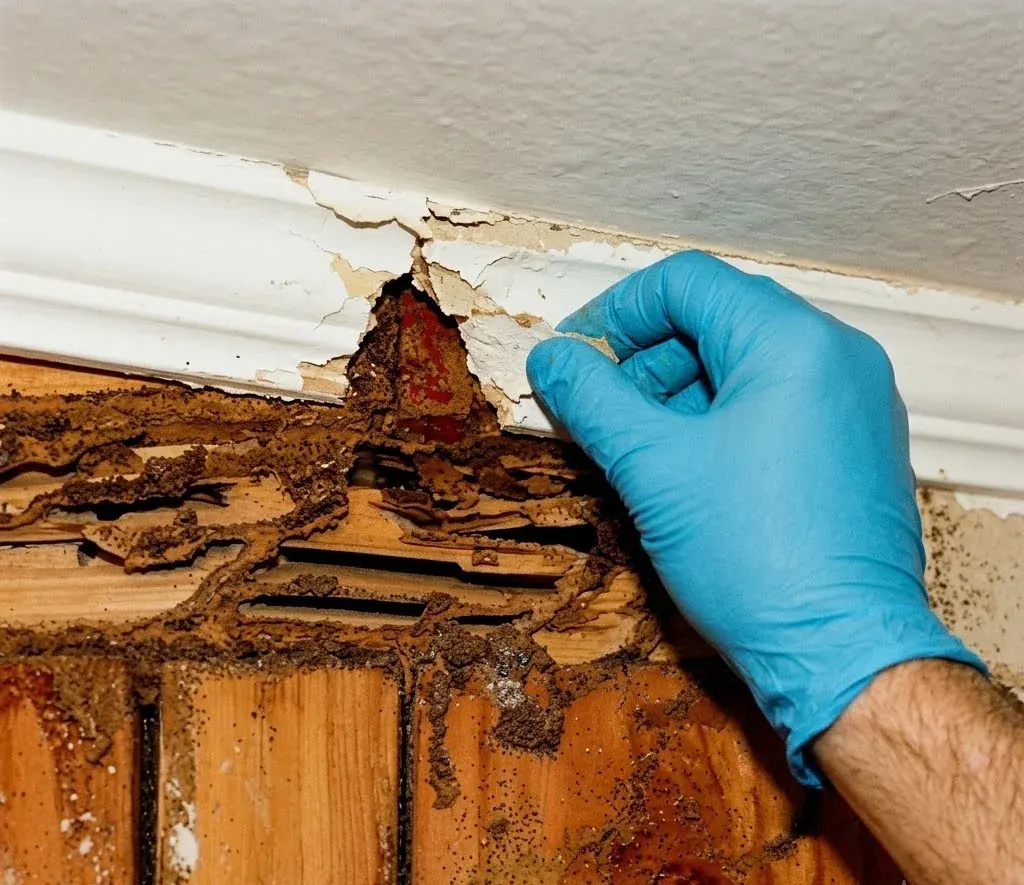
Sunlight, rain, dust, paint, and cleaning can alter visible traces over time. A pale or crisp appearance may seem recent, while a dull surface may seem old, but either impression can mislead. In Frederick, judge the mark alongside its location and any changes you can document.
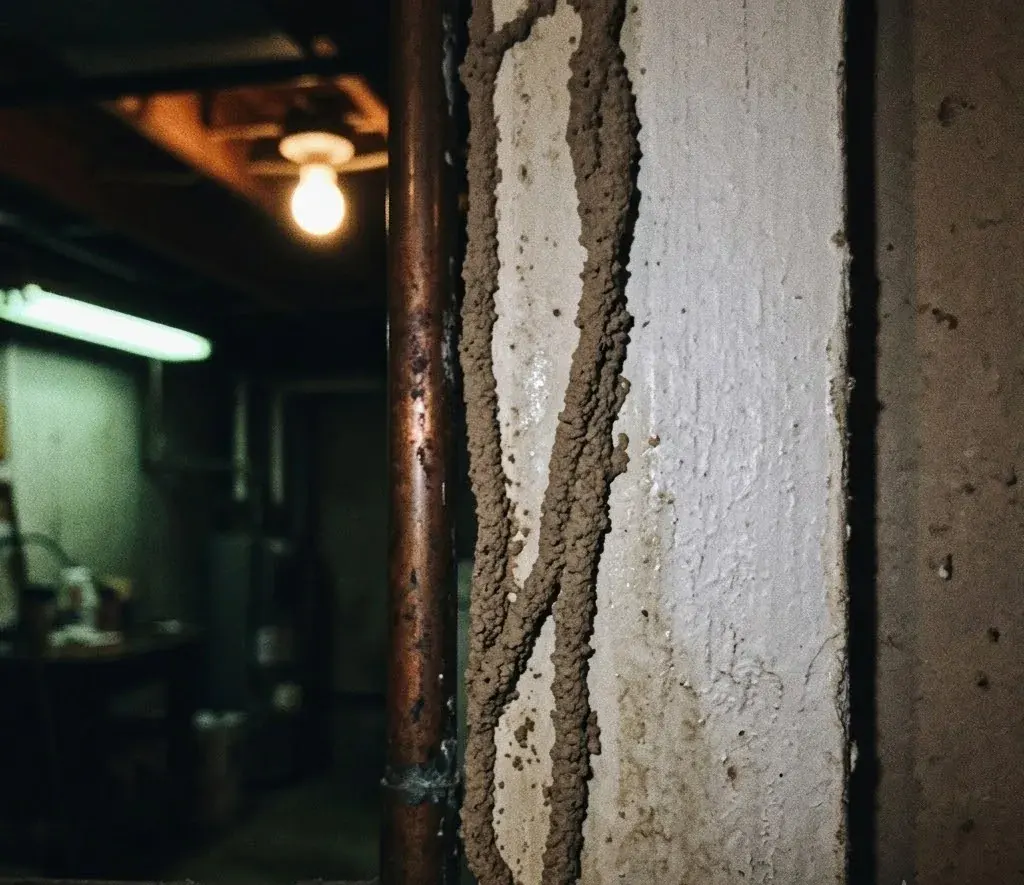
A broken section of a sheltering tube leaves an uncertain clue. It may have been disturbed, while termites could remain elsewhere or have stopped using that route. A gap alone cannot establish that activity ended. Note its position and condition, then let an inspection assess the surrounding evidence.
Build a Timeline With Photos
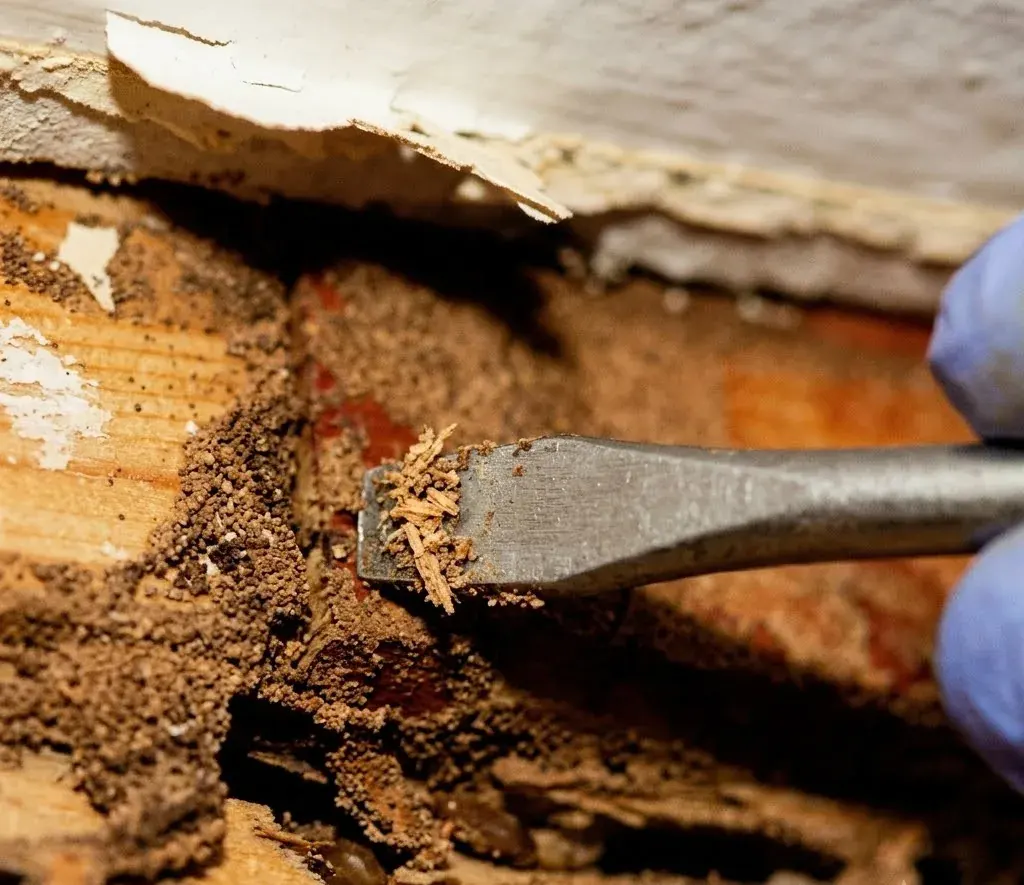
Photographs can make small changes easier to spot than memory. Take a clear image, then repeat the view later from a similar distance and angle. Keep the dates and locations together. New material or a changed edge may matter, but a photo comparison still cannot confirm termites by itself.
Record what changed between visits, such as a new trace beside an earlier mark or an altered surface. Keep the notes factual and avoid disturbing the area. A Frederick homeowner can share this timeline during an inspection, helping the pro compare separate observations instead of relying on one snapshot.
Compare Findings With Past Records
In Frederick, you may spot a new-looking tube or wings on a sill. A board may look different. One look cannot tell you whether termites remain. Fresh-looking material can raise concern. Weathered or broken evidence may be old. It does not prove activity stopped. Note where each sign appears and when you first saw it. Compare later photographs from the same angle. Near Main Street, Memorial Hall, or Middletown Historic District, the same limits apply. Changes between pictures matter more than a memory of first appearance.
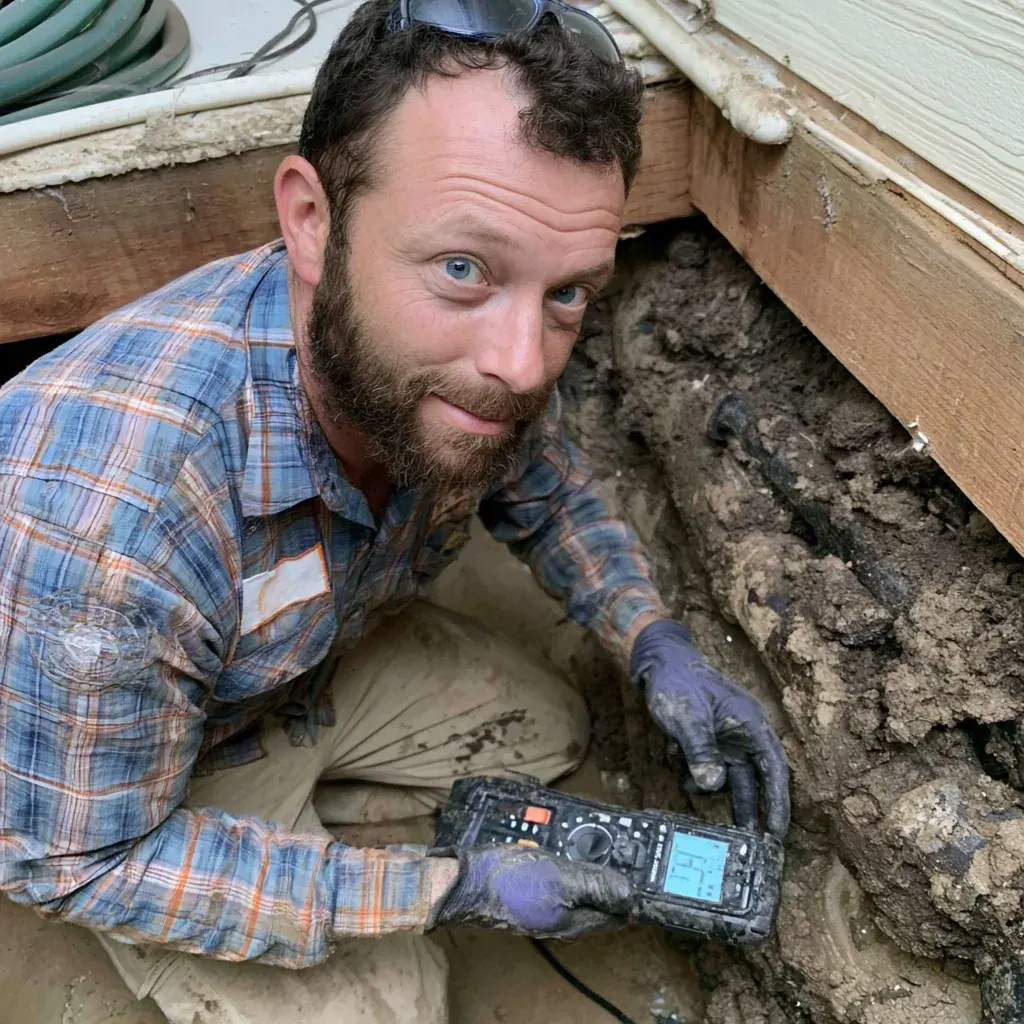
In Frederick, date each image. Note if the sign changes, stays alike, or disappears. An old inspection report records a past visit. Its date cannot settle today's activity. Treatment records add history, not a current reading. Ask the pros we connect you with to inspect the evidence. Ask which observations support an active finding. Share where and when you noticed each clue. An inspection may identify damage or conditions that favor termite activity. Its findings can assess whether activity is current.
Dealing with termite signs at your home?
You saw a dirt ridge beside a basement sill while bringing boxes inside. In Frederick, that mark raises a question: is it termite activity? Only an inspection can sort a sign from activity and guide treatment choices. Properties near Main Street, Memorial Hall, or New Market need their own review. Ask the pros we connect you with about inspection and treatment availability. Check when a visit could happen and whether a visit charge applies. During inspection, ask what they observed, which options suit the findings, and what follow-up involves.