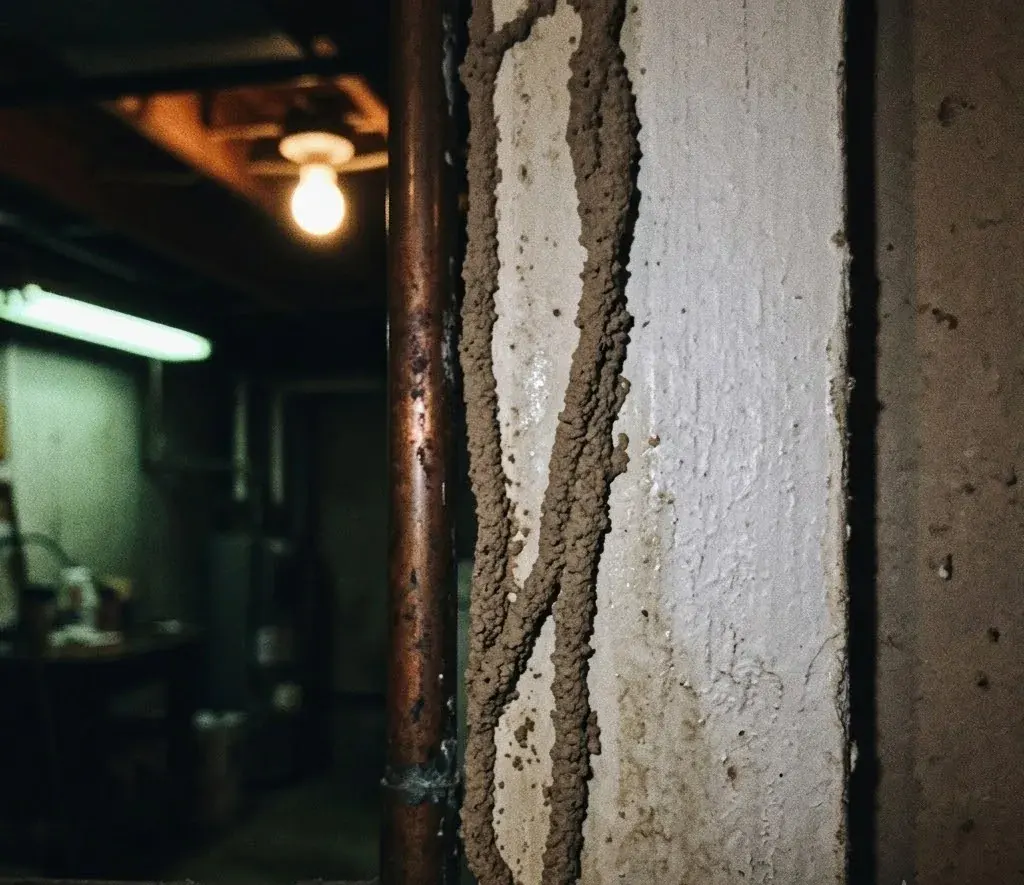
Signs of Termite Damage
Fall dampness can draw attention to weakened wood, wall finish changes, or soft floors. Learn what to record in Frederick before arranging an inspection.
Read article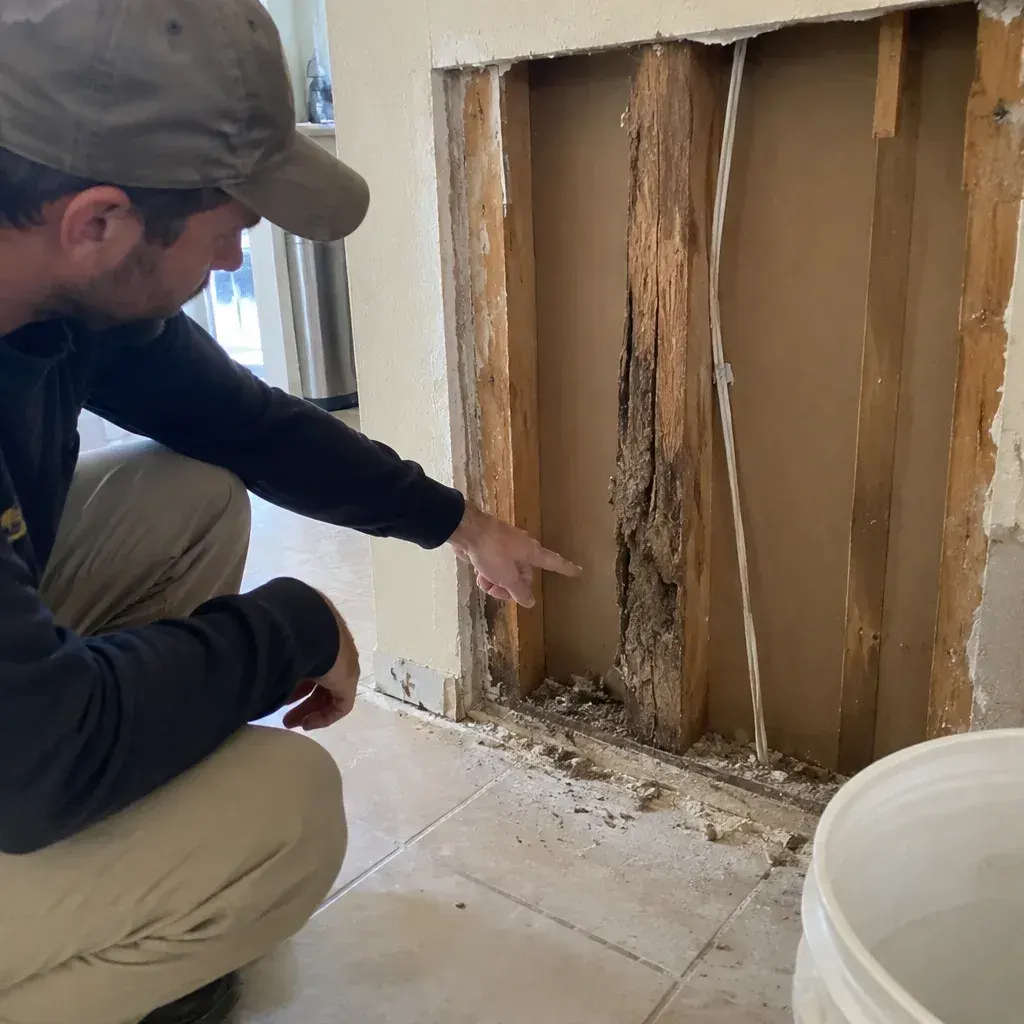
Check what accessible areas show, from foundation edges to interior wood.
After rain, you may notice damp soil beside a Frederick foundation or wood touching ground. That condition merits a closer look, but cannot confirm termite activity. Homes near Carroll Creek, Baker Park, and the Frederick Historic District differ in layout and access; age alone does not show damage. A termite inspection begins outside, checking foundation edges, soil-to-wood contact, drainage, and moisture. The pro then examines reachable interior wood for visible activity or damage; closed spaces limit what can be seen. Property size and access affect time and cost. Schedule a visit and ask an independent local pro what findings can establish.
The review can start outside, tracing accessible foundation areas, then move to reachable wood indoors and conditions around the structure. In Frederick, property layout and access can vary; a narrow side passage or stored items may limit what the pros we connect you with can examine. Route 15 and Route 29 help orient the city, but travel does not determine inspection scope. Property size, access, and requested documentation can affect time and cost. A written report can keep the observations and limits of the visit together.
In Frederick, a report mentioning Main Street gives a location to check; termite inspection uses property findings to shape service across Urbana, Walkersville and Middletown.
For termite decisions at your residence, residential termite control is the relevant starting point; people overseeing rentals or workplaces can consult commercial termite control.
Along a Frederick foundation, the first pass follows the visible edge where soil meets the structure. The inspector checks for wood touching soil, damp areas beside wood, and spots where the foundation or stored items block the view. Subterranean termites can enter through hidden wood contact, so a clear exposed edge does not show what lies behind a finish. The notes distinguish areas viewed from those not reached. That distinction keeps unseen sections from being mistaken for areas the inspection cleared.
Next, the inspection turns to accessible wood inside the home, including trim and framing where it can be viewed. Termites can affect wood or other cellulose material behind finishes, so an intact surface cannot show every hidden area. The reviewer may note visible damage and explain whether additional access would help assess it. In Frederick, layouts differ between older homes and newer residences; the report should connect observations to the specific rooms and structures examined.
At the final pass in Frederick, the inspector notes conditions that can keep wood damp or bring it into contact with soil. Drainage, leaks, and moisture near framing can point to issues that may raise termite risk. This check applies to a home in the Frederick Historic District as much as a newer subdivision house; age alone does not settle the question. The inspector also checks whether wood trim or supports show visible damage that calls for closer review.
At the foundation pass, the inspector follows reachable edges and notes soil contact or damp wood; these checks flag entry routes or conditions for closer review.
The inspector follows reachable foundation edges and wood-to-soil contact, checking for evidence and conditions that merit closer attention.
The review moves indoors to accessible wood. The inspector records visible damage and notes finishes or belongings that block a view.
The findings and access limits are explained, with a written report if available. You can ask whether further evaluation is justified.
Frederick County includes historic homes, apartments, townhouses, farmettes, and single-family homes. Their layouts and access differ, so the same inspection cannot show the same areas in every property. In Frederick, a finished room, a tight access point, or stored belongings may leave parts unseen. The report should make clear what was checked and what remains uncertain. That helps you judge what the findings can support before planning any further evaluation.
Ask to verify that the person conducting the inspection has the appropriate credentials. For a Frederick inspection, ask the pros we connect you with to explain the areas and structures included before the visit. A home, detached structure, or inaccessible space may affect the scope. Make clear whether you want an inspection for a specific concern or a broader property review, so the findings answer the question you brought.
Ask whether the provider will give you a written report and what it will record. Useful details include areas examined, visible activity or damage, conditions worth attention, and places the inspector could not reach. A report can help you understand the observations and decide whether another evaluation is needed. If you are near Frederick's Route 144 corridor or elsewhere in the city, the property itself—not its location—sets the findings. Request an explanation of any limits before deciding on follow-up.
In Frederick, if a Termite Inspection plan uses bait stations near Baker Park, ask whether monitoring visits are included in the quoted work.
| Visit Activities | Property Sections | Cost Basis |
|---|---|---|
| Evidence Scan | Memorial Hall area: property findings plus treatment within quoted limits | an estimated $75–$250 |
| Perimeter Application | Accessible-area review, recorded observations, and treatment named in the quote | an estimated $85–$325 |
| Activity Tracking | Inspection notes and one listed method for the area under review | an estimated $75–$250 |
| Structural Restoration | Inspection summary and treatment plan bounded by the written quote | an estimated $180–$1,000 |
An estimate may group treatment and continuing service together, or list them apart. Upgraded components can also change the proposed work and its cost. The full pricing guide helps you review these factors before comparing totals side by side.
A clear foundation edge does not show what may lie behind a finish. The report can list areas examined and note spaces blocked from view, so you can understand the review’s limits. It should not describe hidden areas as inspected. Ask an independent local pro what the scope includes and whether written findings are available. The record can help you decide if further evaluation is needed.
No visual inspection can expose every wall cavity or covered section of wood. Finishes, insulation, stored items, or restricted access may prevent a direct view. The report should identify those limits so you know which conclusions apply to observed areas and where further access might be needed.
No. Termite activity can remain hidden inside wood or behind finished surfaces. An inspection checks accessible areas for evidence and notes conditions separately. The findings can help you decide whether any concern needs more evaluation.
Clear access helps the inspector reach more of the property. Before the visit, move belongings away from the areas you want checked if you can do so safely. Point out any locked, finished, or otherwise restricted spaces. The provider can explain whether those limits change the scope.
Ask whether the written report lists the areas examined, visible findings, conditions that may need attention, and access limits. A useful report ties observations to the property rather than making broad claims about unseen spaces. Have the provider explain anything you cannot interpret.
Use the findings to ask what they support and whether another evaluation is appropriate. If the inspection notes visible damage, ask which areas were affected and whether its extent can be assessed with current access. Any next step should be based on the property's observations and limits.
For termite inspection, $75–$250 for this work is a planning estimate. Inspection findings show which areas need attention. Ask the pros we connect you with to put the work and charge in writing.
Different termite traces tell different stories; learn what a property check can establish.
Fall dampness can draw attention to weakened wood, wall finish changes, or soft floors. Learn what to record in Frederick before arranging an inspection.
Read article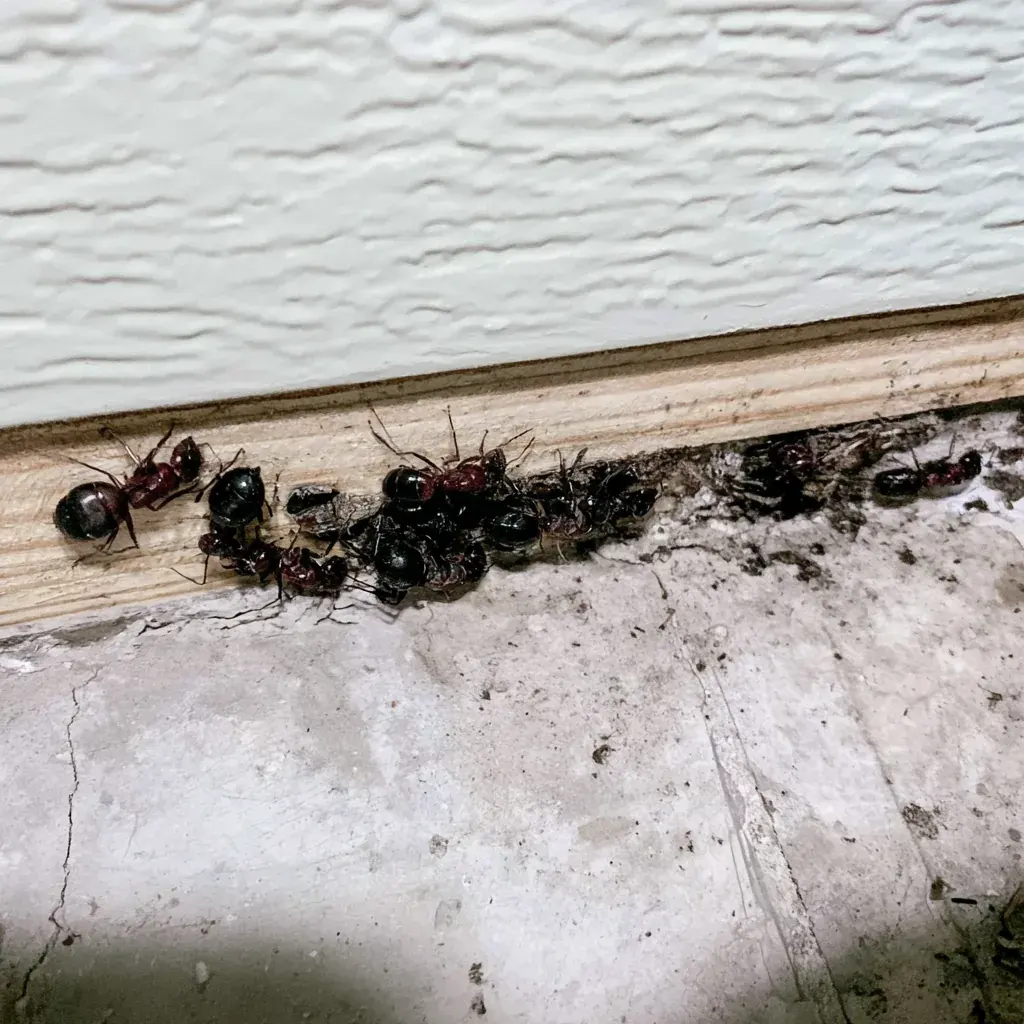
Compare body shape, wings, and wood evidence to distinguish termites from carpenter ants in Frederick. Learn how fall timing and an inspection can help clarify uncertain signs.
Read article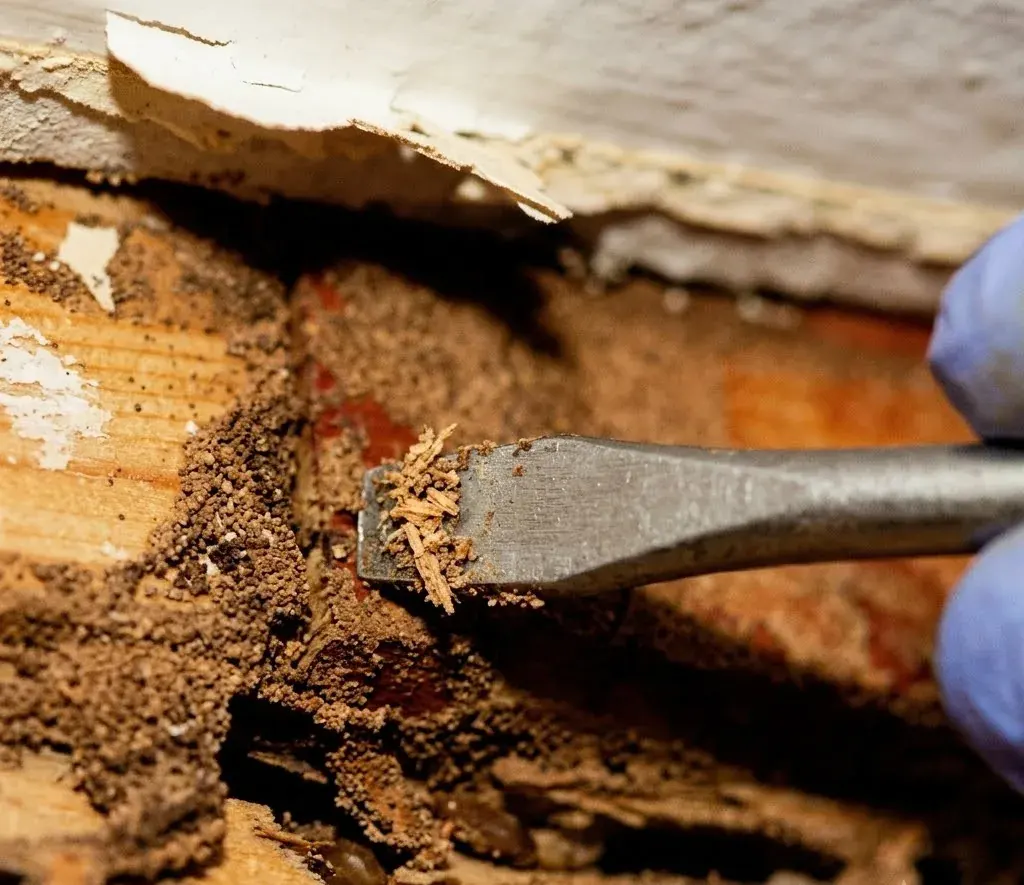
Learn how to distinguish termite droppings from dust and mixed debris, photograph a suspicious pile, and save a small sample for identification in Frederick.
Read articleYou noticed a narrow tube along the foundation on Monday; its location can help focus a visit. For a Frederick address, first ask the pros we connect you with whether they cover that property and when an inspection might be arranged. Ask what the visit examines and whether it has a charge. Then clarify which treatment areas, monitoring duties, reports, and possible wood repairs are included. Written terms make it easier to understand the work before it begins.
Call (301) 756-1392