Why Termite Habitats Differ
Frederick includes historic homes and varied housing types. The Historic District, Baker Park, and Carroll Creek Linear Park provide local context, not evidence of termite risk. Construction and treated-area boundaries differ by property, so a returning sign should be compared with the original service record.
Carroll Creek and Route 15 help place homes across Frederick, but neither location predicts termite activity. Rain and drainage can affect moisture near a structure. The inspector can check those conditions at the house, including properties near Baker Park.
Whether your Frederick property is in the city or elsewhere in Frederick, its location helps determine which providers may serve it. Give the pros we connect you with the address so they can check coverage before discussing inspection or treatment.
Conditions Around the Foundation
- NEW OBSERVATION
- A rebuilt tube or live insects gives an inspector a current location to assess against the earlier work.
- LOCATION
- The prior inspection report shows which areas and conditions were recorded before treatment.
- WORK RECORD
- A report can help compare the treated area with the new sign and record visible damage or entry points that need further attention.
- SITE CONDITIONS
- Bait systems rely on station checks, so keep each station reachable for provider service.
- NEXT REVIEW
- A follow-up report can record the new observations and explain which areas were accessible for review.
- Entry Route
- Rain and changing temperatures can alter moisture around foundations through the year. That may change conditions an inspector considers, but seasonal shifts alone do not confirm renewed activity. Report when and where a sign appeared.
- Building Features
- an estimated $75–$250
Reading the Shape of Winged Insects
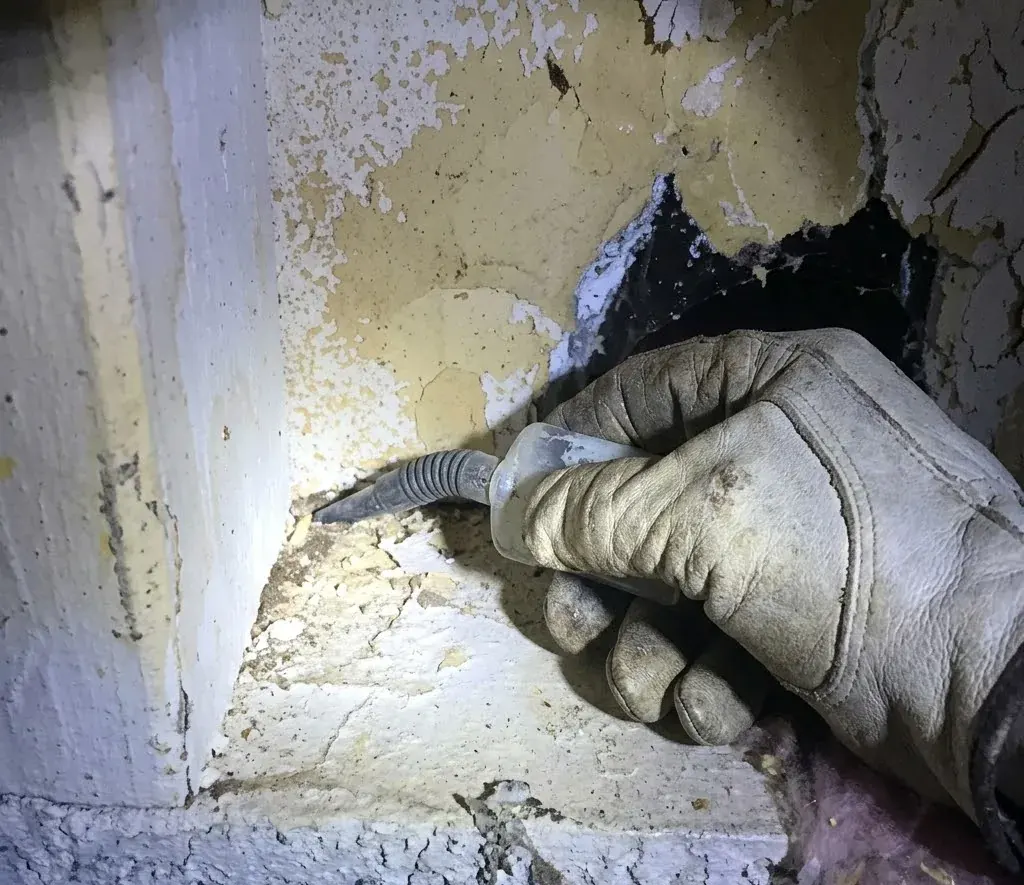
Old termite evidence can remain after activity has stopped. A dry tube or past damage may look concerning, but it does not establish current activity; an assessment checks the location and surrounding accessible areas. Compare the reported location with the earlier inspection notes and treatment map. A finding in a previously treated area raises a different follow-up question from evidence elsewhere. The inspection record helps identify which locations were covered and where the new observation needs review.
Making Room For Service Access
The professional reviews the earlier report and work description alongside your dated observations. Then the inspection checks the reported spot and nearby accessible areas for evidence that helps explain what changed. The findings guide whether more evaluation is needed and how the new observations relate to the earlier work.
The pros we connect you with review the original report, then check the sill, nearby accessible wood, and any service stations. They explain any limits on what could be inspected before discussing the findings. The provider explains whether station service or another labeled treatment step is indicated.
If an inspection points to a bounded treatment task, that work may end after service. Continue only when findings justify later checks, including review of bait stations. The written plan should identify the task and its finish point. Ask what each return covers and what result would lead to more treatment.
A SNAPSHOT OF INSPECTION WORK AND CONTINUING ACTIVITY REVIEWS
| Written Scope |
Findings Set the Course |
|---|
| One focused finding, reviewed at outset | Moisture sources |
| New termite marks follow completed service | Moisture control |
| Signs turning up on different floors | Service scope and activity tracking outlined |
Choose a Next Step After Inspection
Set the treatment report beside your notes and record each new location and date. Keep children and pets away from the area. Leave tubes and bait stations in place; do not spray, scrape, or probe the wood. Share your observations with the provider before changing anything near the suspected route.
When Termite Damage Affects Home Stability
The extent of damage can help determine what areas need repair. A finished surface may not reveal the condition behind it. If a door frame, floor, or other wood part has changed, note its location and include it in the assessment. The inspection can identify visible damage and whether more evaluation is needed.
Get Clarity on Termite Treatment Pricing
Before choosing a plan, have the pros we connect you with clarify what the proposed work covers and how its scope affects the charge.Frederick’s guide range gives a starting point for the treatment work described; difficult access, added areas, monitoring, and wood repair can change what is included. The inspection charge and final written scope are confirmed with the pros we connect you with. Near Urbana or New Market, ask which findings shaped the proposed work.For cost factors, open pricing guide; Termite Inspection describes how inspection findings shape treatment choices and follow-up monitoring.