What Makes Homes Suitable for Termites
Frederick includes the Historic District, but a home's age does not establish termite activity. Crawl-space access and framing vary by property. Ask the inspector to relate findings to the specific supports and wood below your floor.
Carroll Creek and Baker Park are familiar Frederick landmarks, but they say nothing about activity beneath an individual house. The relevant evidence is at the property: signs, accessible framing, and conditions below the floor.
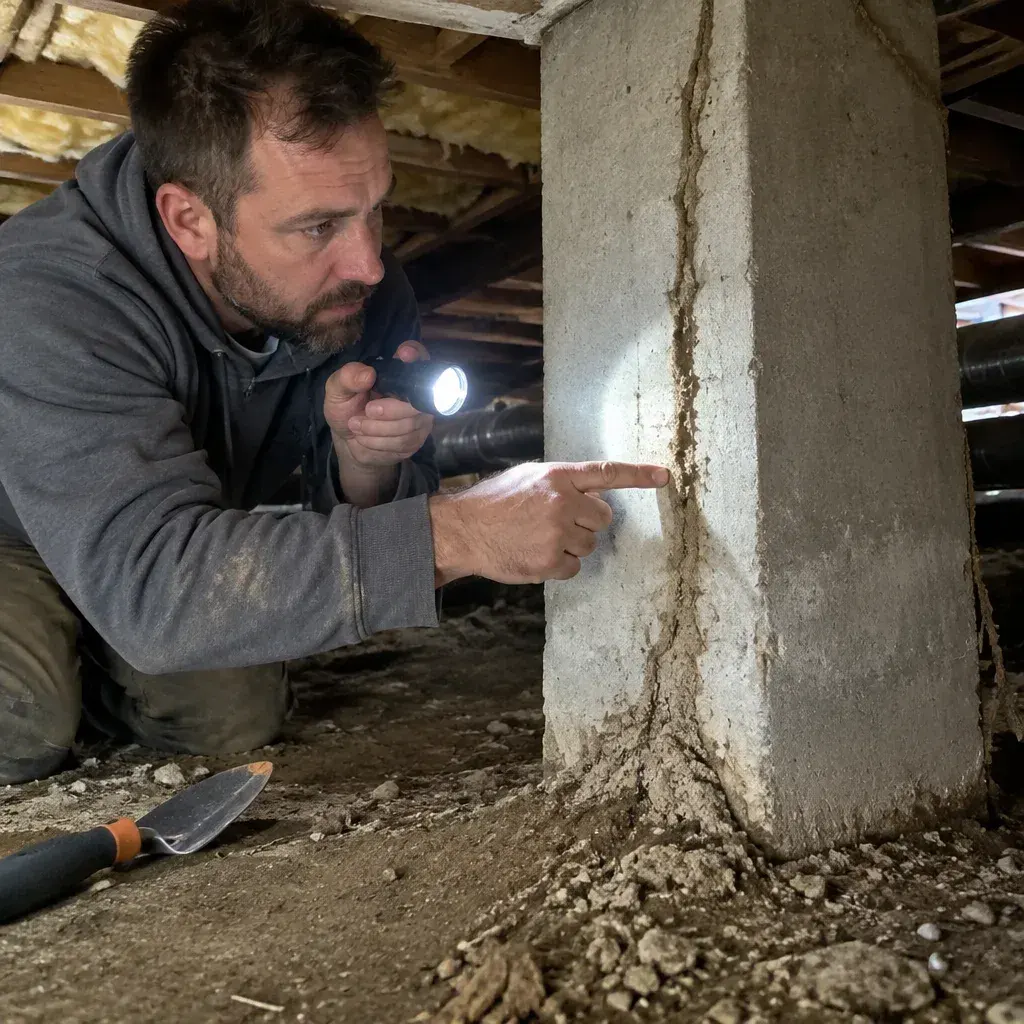
A closer look can help distinguish suspected termite activity from other changes in wood. The pros we connect you with can check whether they serve your address and discuss an inspection.
How Treatment Decisions Are Made
- Entry
- Termite damage may stay hidden behind finishes until an inspection exposes the affected wood.
- Framing
- A blocked or low crawl-space section limits what an inspector can observe; ask that unseen areas be named in the report.
- Treatment
- Tubes, discarded wings, and damaged wood are different clues. Each needs its location recorded for assessment.
- Repairs
- Wood touching soil and damp conditions near framing are worth noting during a crawl-space review.
- Monitoring
- Treatment, monitoring, and carpentry may have separate scopes; check what the written plan includes.
- Service Terms
- Temperature and precipitation shift through the year in Frederick. Crawl-space conditions can change with those shifts, so an inspection records what is visible at that visit. Monitoring helps compare later activity with the original findings.
- Access Needs
- an estimated $600–$1,800
When Wood Marks Have Other Causes
Wood rot can also leave framing soft or damaged, so the two problems may look alike. Moisture history and the location of any tubes can help guide an assessment, but appearance alone cannot confirm the cause. Compare the location and pattern. Wood rot is associated with persistently damp material, while a tube on a pier or foundation can signal a termite route. Neither appearance settles the cause by itself. An assessment of the wood and nearby conditions can help distinguish them.
Household Precautions During Treatment
The pros we connect you with start by mapping tube locations, accessible framing, and blocked areas in the crawl space. For a Frederick home near Carroll Creek, they record visible activity and access limits. A written plan sets out pest work and monitoring. A carpenter can then assess weakened members and specify replacement or reinforcement separately.
After you review the plan, the pro applies the selected treatment under its label directions. The work record should identify treated areas and any monitoring schedule. If framing needs repair, clarify who will handle it; pest treatment and carpentry are separate work.
Your inspection notes should distinguish completed work from conditions needing another look. If activity needs observation, the plan should name the next check and its purpose. Where the agreed treatment resolves the stated issue, confirm whether service ends there. Review written terms to see what follow-up includes and what triggers more work.
WHAT A TERMITE REVIEW FINDS BESIDE LATER ACTIVITY CHECKS
| Written Scope |
Findings Set the Course |
|---|
| Early activity limited to one section | Repair needs |
| Termite traces surface after prior work | Wood clearance |
| Reports from several parts of the house | Treatment steps and station access covered |
Manage Dampness Near Framing
From the access opening, look for visible tubes, damp spots, or wood touching soil. Take photos and note their locations without entering a tight space or disturbing signs. Keep the opening clear for the inspection. Do not apply pesticide or move bait stations; follow the provider's instructions for those products.
Keeping People Clear During Treatment
The main concern is damage to wood that supports the floor. Termites can weaken concealed framing, and a floor that dips or feels unstable needs attention. Do not enter a cramped or unsafe crawl space to check it. Arrange an assessment and keep people off any visibly unstable section until its condition is understood.
Compare the Factors in a Termite Estimate
Request a written breakdown from the pros we connect you with, showing which areas need work and what each part of the plan includes.Frederick’s guide range gives a starting point for the treatment work described; difficult access, added areas, monitoring, and wood repair can change what is included. The inspection charge and final written scope are confirmed with the pros we connect you with. Near Urbana or New Market, ask which findings shaped the proposed work.See what can shift the estimate in pricing guide; Subterranean Termite Treatment explains how an inspection guides treatment and later monitoring.