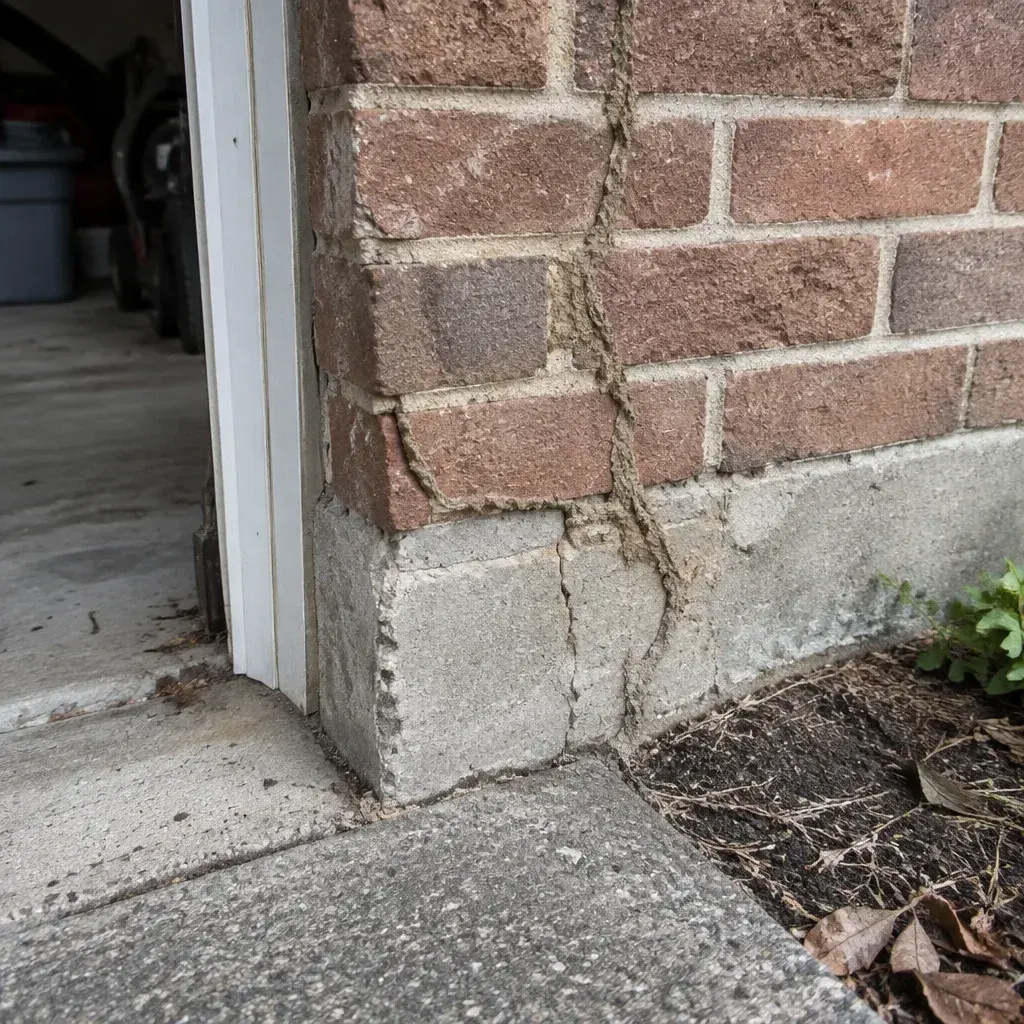
Conditions That Support Wood Damage
Frederick includes historic areas and newer residential settings, so a detached building’s age and construction can vary. Near the Frederick Historic District, an older outbuilding may have different access and wood details than a newer garage. Inspection findings must guide the control plan.
Frederick has historic and newer residential settings, so detached buildings can differ in framing and foundation details. Baker Park, Carroll Creek, and Route 15 can help locate a property, but they do not indicate termite activity. The actual garage or shed and nearby conditions guide the inspection.
Termite questions in Frederick and Frederick County can involve ranches, split-levels, or homes on subdivision lots. The pros we connect you with can use the address and your account of what prompted the call to understand the property before discussing a next step.
Termite Activity in a Home
- BUILDING
- Have the garage or shed named as an inspected structure, with access limits recorded in the report.
- ACCESS
- Wood touching soil can provide subterranean termites a hidden route into an outbuilding.
- WOOD TYPE
- Stored boards and structural framing should be assessed as separate parts of the building.
- CONTROL METHOD
- Liquid products treat selected areas; bait relies on serviceable stations. Building access, construction, and observed evidence shape which method may fit.
- FOLLOW-UP
- Check written terms for station monitoring, coverage, and any follow-up conditions.
- Service Terms
- In Frederick, summer heat can make boards expand and tighten joints; winter freezes stiffen exposed trim. Freeze-thaw wear may loosen joints, while seasonal dust and grit collect at shed edges. Note whether loose material appears beside framing or stored lumber for inspection.
- Work Scope
- an estimated $75–$250
Clues Around a House Need Context
Wood rot can soften boards after prolonged dampness, while termite galleries may leave channels inside the wood. Their patterns and locations help distinguish them; surface color alone may not settle the cause. Compare the pattern and location, not color alone. Rot often tracks damp exposure and softens from the surface; termite evidence may include galleries, tubes, or wings nearby. An inspector can examine accessible wood and moisture conditions to distinguish causes.
Household Precautions During Treatment
The pro first checks the detached building’s accessible framing, foundation, soil contact, and reported signs. They distinguish structural wood from stored lumber and document visible damage. Findings, construction, and access then guide a written control plan for the specific structure.
Depending on the findings, work may use a liquid treatment zone or bait stations that require monitoring. The pro should identify where products or stations will go, explain any access limits, and state what follow-up involves. Keep stations accessible for service.
One visit may resolve a treatment need confined to the area documented during inspection. Longer oversight fits when the chosen method depends on station checks or signs need another assessment. Before agreeing, ask who returns, what gets checked, and when service ends. A treatment application alone does not promise later protection.
WHAT A TERMITE REVIEW FINDS BESIDE LATER ACTIVITY CHECKS
| Observed Signs |
Site Conditions Shape Care |
|---|
| Early activity limited to one section | Repair needs |
| Termite traces surface after prior work | Wood clearance |
| Reports from several parts of the house | Treatment steps and station access covered |
Limits of Home Applied Products
At a Frederick garage or shed, note whether suspect wood is part of the building, such as a door frame, or a loose board kept inside. That distinction can help the pros we connect you with choose what to inspect. Leave it in place; do not pull pieces apart or scrape the surface.
What To Do After Finding Clues
Termites can weaken wood, which may affect a shed door frame, sill, or other support. Treatment products also require care: keep people and pets away from application areas, and follow the product label and provider’s reentry directions. Ask which product is planned and where it will be used. Do not assume an untreated structure is safe to enter if treated areas remain restricted.
Compare the Factors in a Termite Estimate
Request a written breakdown from the pros we connect you with, showing which areas need work and what each part of the plan includes.Frederick’s guide range gives a starting point for the treatment work described; difficult access, added areas, monitoring, and wood repair can change what is included. The inspection charge and final written scope are confirmed with the pros we connect you with. Near Urbana or New Market, ask which findings shaped the proposed work.For cost factors, open pricing guide; Termite Inspection describes how inspection findings shape treatment choices and follow-up monitoring.