Treatment Types
Termite Treatment Options for Frederick Homes
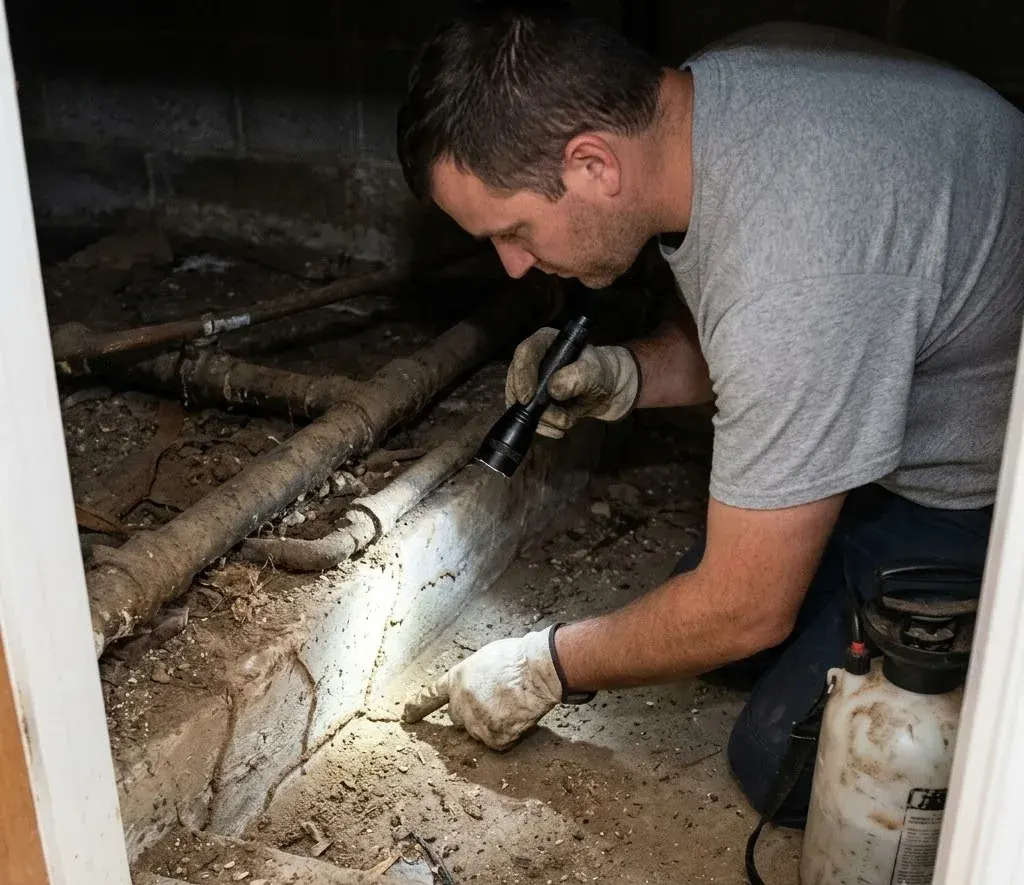
You find a soft sill or a line at the foundation. First, learn what is active and where. In Frederick, inspection checks reachable wood, possible entry points, and moisture before method selection. A ranch near Urbana Regional Library may call for a different approach than a split-level. Building details guide the choice. Liquid treatment can form a treated zone where findings support it. Bait relies on stations that need later checks. A focused application may address one contained area. The written scope should name included work and locations. Surface appearance may not reveal damage inside concealed wood.
AROUND THE HOUSE
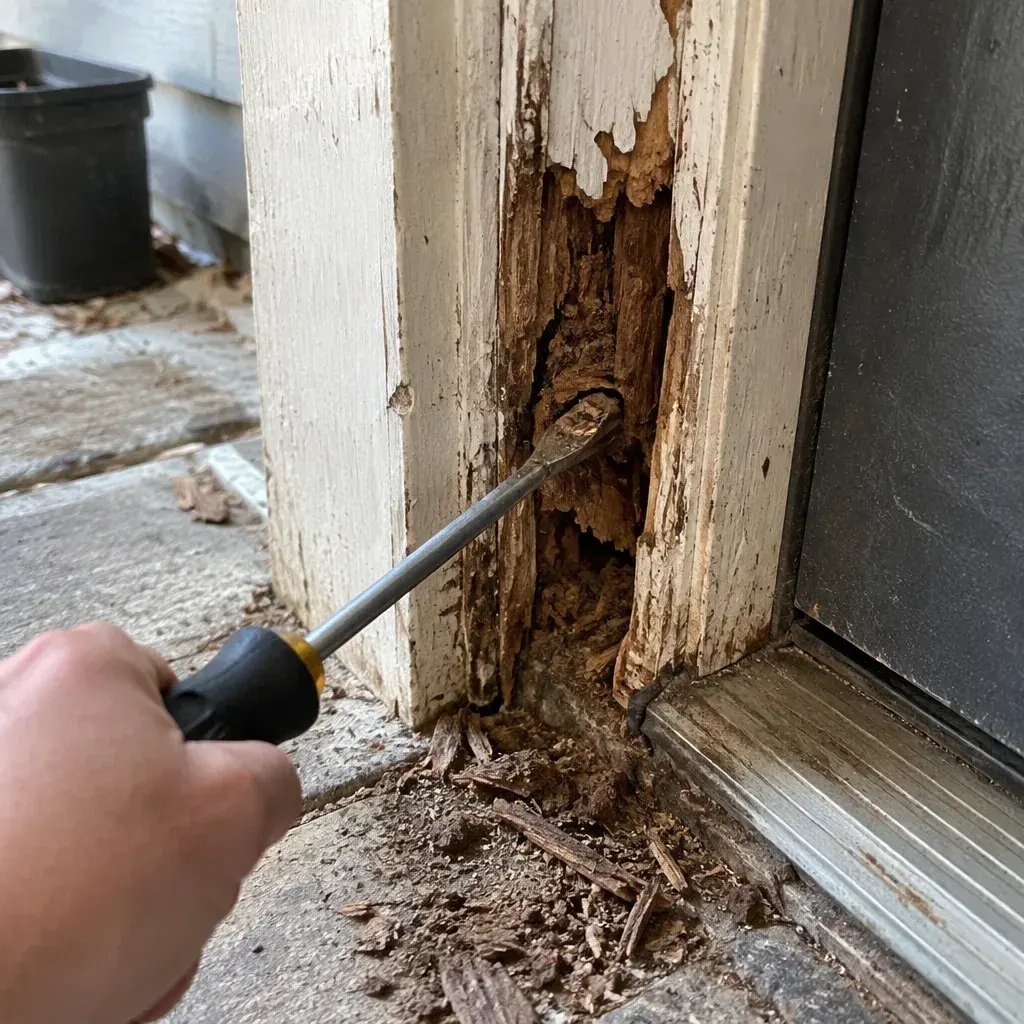
When you notice a tube or damaged trim, the treatment question starts with an inspection. In Frederick, a ranch near Route 29 and a split-level near Walkersville Southern Railroad need separate assessments; neither setting proves termites are present. This hub explains treatment choices, while the repair hub addresses damaged wood and the work needed to restore it. Findings, property conditions, and the method suited to the termite issue shape the scope and cost. Ask the pros we connect you with for written details.
After treatment is proposed, ask what the report records and what follows. Before agreeing, ask which steps address the activity and which only monitor it. It should describe inspected spaces, so you can see the limits of findings. A home near New Market Historic District and one near Oakdale High School still need separate assessments. Monitoring may involve checking bait stations; those stations must remain reachable. Repair is a separate question: have affected wood assessed, then clarify whether repair is included. Ask what follow-up the agreement covers.
Quick Answers
Termite Control Questions
Is termite treatment separate from repairing damaged wood?
No. Treatment aims to manage termite activity; it cannot rebuild wood that has weakened. Repair work addresses the building material and may need a separate assessment. Ask whether the written proposal covers pest control alone or also includes repairs, and who handles them. Termite activity can continue in hidden areas, so ask how the proposed treatment will reach places that cannot be seen.
How do bait stations compare with liquid termite treatment?
A liquid application places product in selected areas. A bait plan relies on stations that need regular checks. In Frederick, bait may fit when inspection findings support it and stations can remain reachable for service. Other approaches may suit a different termite pattern or building layout. Ask what evidence favors the proposed method, what monitoring it includes, and how the provider will share findings.
How can moisture and building layout shape a termite treatment plan?
Damp soil by a basement wall can change what an inspection finds. In Frederick, drainage, leaks, and wood near soil deserve attention. A split-level near Route 15 may have different access than a ranch near Route 29. A home by Urbana Community Park may have another layout. Bait stations need clear access and periodic checks. Ask which conditions shape the recommendation and need attention. Ask how monitoring fits the written plan.
What should I check in written terms for termite retreatment?
Read the agreement for the areas covered, included monitoring, and the conditions that qualify for follow-up treatment. Ask how to report renewed signs and whether another inspection is part of that response. In Frederick, get any limits or exclusions explained before accepting the plan. Keep the written terms with the inspection findings so you can compare the promised scope with the work described.
Plan Termite Care
Compare How Termite Methods Work
A floorboard felt weaker this morning, though its surface showed little change. In Frederick, damage can extend into concealed wood, so visible condition alone may not reveal its full reach. Have the pros we connect you with inspect the affected area and explain what needs further evaluation. Ask how the proposed method fits the findings and property. A written scope can make clear which treatment is planned, how monitoring works, what reporting you receive, and who handles repairs.
Call (301) 756-1392