Schools
Campus termite control
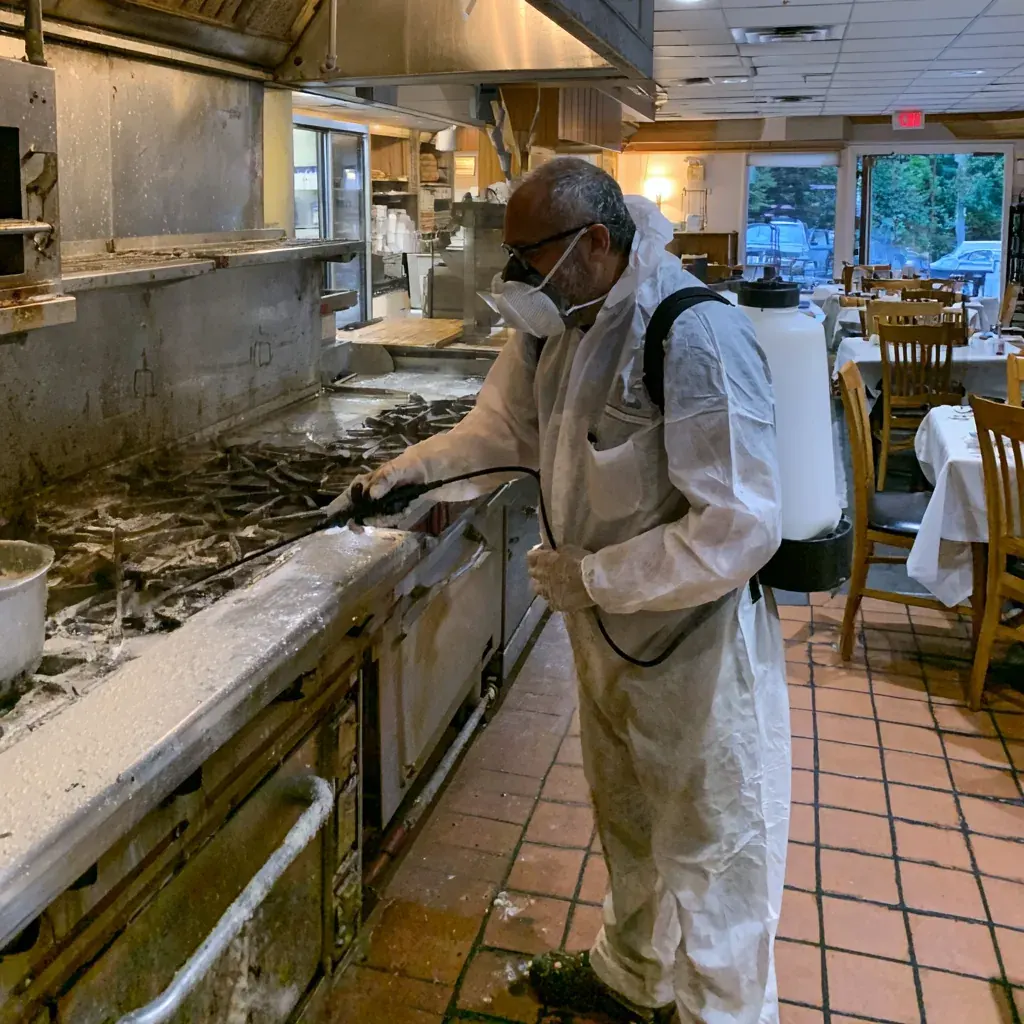
Coordinate restaurant termite control across Frederick sites with clear access plans, separate records, and follow-up assigned by property.
Restaurants can reduce service disruption by coordinating a site-by-site assessment with operating hours, access needs, and food-area preparation. Identify who can approve recommendations that affect daily restaurant operations.
A sign of possible termite activity can raise an operating question: how do you investigate without interrupting meal service? For a Frederick restaurant group, start with one shared plan for each property. Ask the pros we connect you with to assess the sites and coordinate proposed work with your operating requirements. A common scope can record what each location needs, when areas are available, and who handles updates. That gives managers a practical way to plan around service while keeping site differences visible.
Each Frederick property may have a different layout, schedule, and route through its work areas. Give the provider a site list with addresses, opening hours, receiving windows, and a contact for each restaurant. Note which spaces connect to kitchens, storage, or building service areas. This helps the provider plan visits across locations and flag where separate access arrangements may be needed. A shared schedule can group compatible visits while leaving room for a site that needs a different time.
Commercial kitchen termites can create planning needs beyond the dining room. Identify food preparation surfaces, dry storage, dish areas, and equipment that staff cannot easily move. At a Frederick restaurant near Baker Park, for example, the manager can mark these areas on a simple floor plan. That gives the provider a clearer route and helps staff know which tasks may need to pause. Keep the map specific to each building; similar menus do not mean identical work areas.
Ask for written findings organized by restaurant address and room. A termite report can describe signs, visible damage, and conditions that may support activity in areas the provider assessed. For a Frederick group, a consistent format helps operations staff compare site records without assuming every property has the same issue. Keep the report with visit dates, site contacts, and access notes. This record gives managers a clear basis for reviewing the proposed work and sharing relevant details with each location.
The proposed scope should connect each task to a specific site and area. Ask which rooms need access, what staff should prepare, and whether any part of the plan depends on another visit. A Frederick operator can review the scope with each store manager before setting dates. That check can catch conflicts with receiving, food preparation, or scheduled maintenance. It also makes changes easier to track when a provider finds a different condition at one property.
| Site reference | Access period | Record contact |
|---|---|---|
| Property register | Frederick address and site contact | Use Baker Park or Carroll Creek Linear Park as location cues when relevant |
| Finding log | Observed signs, room, and date | Keep notes tied to the property where signs appeared |
| Operating map | Prep, dining, and receiving periods | Arrange after-hours termite treatment where site conditions allow |
| Food-area prep | Exposed surfaces, utensils, and stock | Get preparation directions for each affected area before work |
| Access plan | Keyholder and approved entry route | Give each location a named contact and clear access instructions |
| Written scope | Areas included at each restaurant | Review the proposed work property by property |
| Monitoring plan | Station locations and service access | Record checks and keep monitoring points reachable |
| Shared site log | Open tasks and next access window | Assign each action and coordinate the next visit with operations |
Choose visit windows around each restaurant’s service pattern. After-hours termite treatment may suit some locations, while another site may have a quiet period before opening. Share prep, cleanup, delivery, and closing windows for every Frederick address. The provider can then discuss workable appointment times for assessment or proposed work. Avoid assuming one schedule fits the whole group. A location with late service or early deliveries may need its own arrangement to keep staff movement and provider access manageable.
Make access plans property by property. For a Frederick restaurant near Route 15, note the doors staff can open, the rooms with restricted entry, and any equipment that narrows the route. Tell the site contact where the provider should check in and who can unlock back-of-house areas. If deliveries use a particular entrance, include that window in the schedule. Clear arrangements can reduce waiting and prevent an inspection visit from crossing a busy receiving period.
Build a change process into the schedule. If a provider needs access beyond the planned area, the manager should know who can approve a revised time. A Frederick site lead can record what changed, which room remains pending, and when the provider will return. This keeps one restaurant’s delay from being mistaken for completion across the group. Ask how updates will reach central operations and the local manager. A shared status record helps staff prepare for the next visit without relying on shift memory.
Before work, get preparation instructions for the rooms and methods in the written scope. The provider can identify whether ingredients, utensils, or movable equipment need to be cleared or covered. At each Frederick location, assign a manager to confirm that the listed areas are ready before the appointment. Keep food handling separate from any scheduled work as directed by the provider. These steps help staff plan a workable pause in affected spaces instead of disrupting the full kitchen.
Give each site one contact for provider instructions and staff updates. That person can pass preparation details to the kitchen lead and tell incoming shifts which areas remain unavailable. For a Frederick group, central operations can keep the current instructions with the location’s scope and visit record. Staff should follow the provider’s directions for the proposed work and ask before changing the plan. This avoids improvised changes that could complicate access or later follow-up.
Restaurant termite control across Frederick locations needs a separate record for each property. Give every file a site name, address, visit date, areas reviewed, and staff contact. Keep provider notes with that location instead of combining findings from several kitchens. This makes it easier to see which rooms were included and who must address any site conditions. Record suspected activity without disturbing it. The pros we connect you with can use those notes to explain the proposed scope for each restaurant and identify access limits that may affect the work.
Follow-up needs an owner and a place in the operating calendar. If stations are part of a plan, preserve access so the provider can monitor them as scheduled. A Frederick manager can record each visit, note any access issue, and share the update with central operations. Ask how the provider will report a missed check or new finding. That process helps keep follow-up visible across locations, even when staff or managers change between visits.
For a Frederick portfolio, keep the address as each site’s main identifier. Record the inspection date and findings with each site so staff can trace its history. Set a separate follow-up owner and due date for every restaurant. Some plans may call for later checks or monitoring, depending on inspection findings and the property. Put those tasks on the location record, then review open items before scheduling the next visit. This keeps a site’s follow-up from being mistaken for another kitchen’s.
For a Frederick operator, a practical plan should show each property’s findings, work areas, schedule, preparation needs, and follow-up owner. Locations near Urbana Community Park may have different layouts and service hours from one another, so keep decisions tied to each site. Ask the pros we connect you with to assess the locations and coordinate proposed work with restaurant operations. Before agreeing, confirm who updates managers, how schedule changes are handled, and what information each site should keep.
For restaurant groups in Frederick, one shared scope can make service easier to coordinate across properties. Keep each site’s findings distinct, while using the same record format for rooms checked, access limits, and planned follow-up. Baker Park, Carroll Creek Linear Park, and Route 15 can help managers identify locations in a site directory. Reports of commercial kitchen termites still need property-specific review; a shared process does not make conditions identical. Ask the pros we connect you with to assess each site and explain how proposed work fits its operations.
Before discussing termite work, confirm whether the pros serve your property's address; use the linked communities to find places where you can ask about availability, includingMiddletown, Frederick and Urbana. When setting a visit, find out whether travel is included for your address and whether the assessment is billed on its own.
For workplaces, quotes commonly follow the scheduled visits, then adjust for the space covered. A small storefront may take less time to inspect than a large facility. Check $75–$250 as a guide; findings, site access, and monitoring frequency also affect the final scope.A commercial property’s layout in Frederick can change how many treatment points or stations a plan needs; restricted entry and separate structures may add setup or monitoring work. When calling, describe the floor area, foundation arrangement, service zones, access limits, reporting needs, and whether buildings near Middletown share one site.Compare the service bands in pricing guide, then use commercial overview to see how recurring commercial termite visits are structured.
Campus termite control
Frederick Property Care
Frederick Hotel Termite Control
Start with one contact who can coordinate the Frederick locations and share each restaurant’s hours, access rules, and food-service schedule. Ask the pros we connect you with to propose a site-by-site sequence, with a work window and access contact for each address. Confirm which areas need to be available and how staff should prepare them before work begins. Keep service changes and follow-up arrangements attached to the relevant location so managers can plan around them.
Keep a separate file for every restaurant. Include the visit date, areas examined, reported concerns, access restrictions, written findings, and agreed next steps. Use the same headings across the group so managers can compare service records without blending one property’s details with another’s. Store the provider’s report with that site’s maintenance records. A consistent file makes it easier to see which questions remain open before the next visit.
Ask staff to leave suspected signs in place and tell the manager where they appeared. Record the room, nearby equipment or stored goods, and when someone noticed them. Share those details with the provider before the visit. Note whether staff moved nearby items after first noticing the signs. Keep the report attached to the correct restaurant’s record.
If the plan includes bait stations, assign a site contact to keep their locations clear for scheduled checks. Add each station’s location and service notes to that restaurant’s record. Staff should not relocate a station without asking the provider, since moving it can disrupt monitoring. Confirm which manager receives follow-up notes, especially when responsibility changes between visits.
Gather site schedules, access contacts, and existing reports, then ask the pros we connect you with to assess each Frederick property.
Call (301) 756-1392