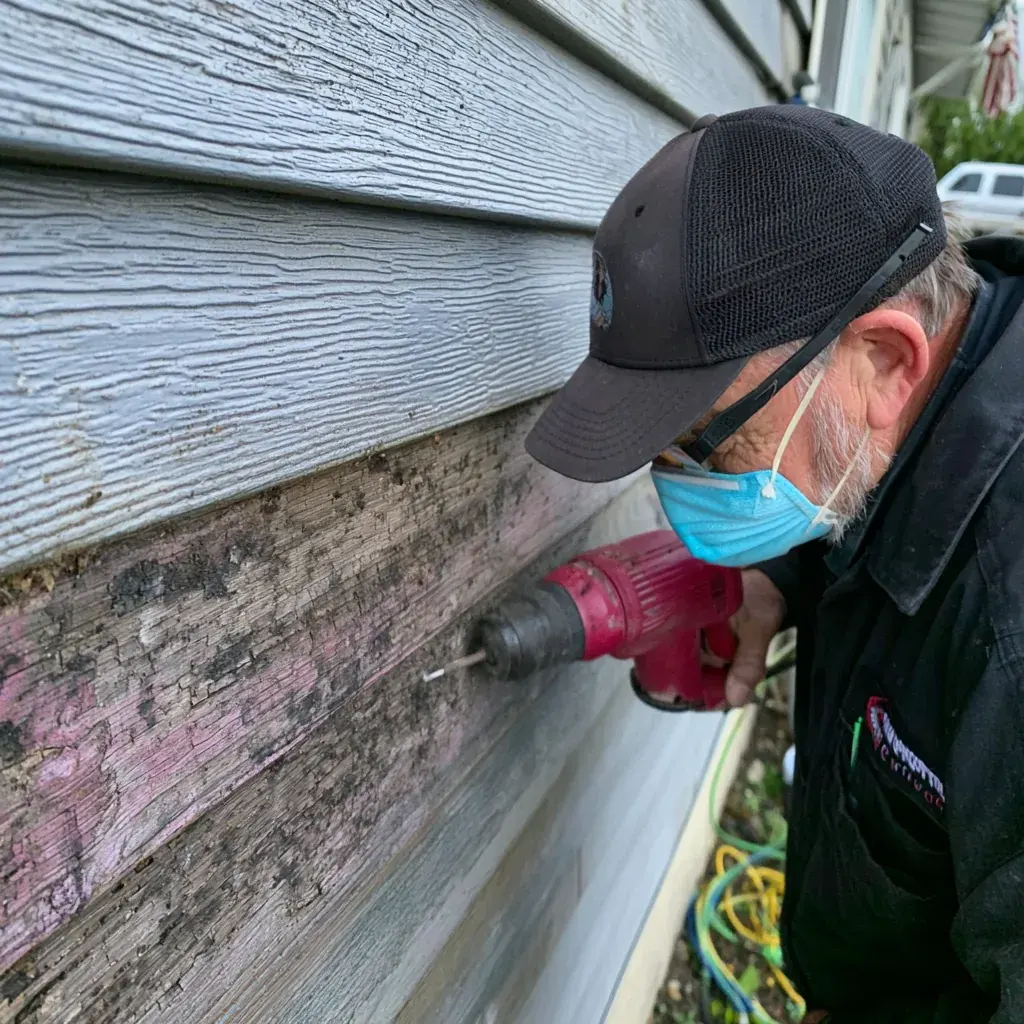
How Borate Wood Treatment Protects Frederick Homes
When you spot a damaged beam, borate's value depends on what the product reaches and what the inspection finds in Frederick.
Borate wood treatment, including a labeled Bora-Care use, provides wood protection only where the product reaches. Check the label for coverage and moisture conditions before considering it. Concealed wood and soil entry routes remain outside its direct reach, so access limits how much of a structure it addresses.
How Borate Works Inside Wood
When termites feed on wood treated with borate, they take in the compound. It can harm them and help protect the wood they consume. The effect depends on termites reaching the treated surface and feeding there. In Frederick, a cost discussion should start with which wood is reachable and suitable. A treatment estimate may change with the amount of wood included and the work needed to reach it. Ask what the proposed coverage includes, and which areas would remain outside the treatment.
Borate wood treatment applies to wood, not every part of a building. Exposed framing or unfinished boards may be reachable; finished walls can hide other surfaces. For a home near Baker Park, for example, the inspection would need to establish which wood is accessible at that property. The estimate should name those surfaces. If access requires opening or moving anything, ask whether that preparation is included or separate. This helps you compare scopes that cover different amounts of wood.
A product label sets the allowed wood, surface conditions, and application directions. The label's application directions help define what the proposed treatment would involve. Before discussing cost in Frederick, note which areas are exposed and whether any look wet. Ask the professional to match the proposed use to the label and explain any preparation needed. A written scope can make clear which surfaces are included in the proposed work.
Which Surfaces Can Receive Treatment
A termite inspection helps establish what the estimate is meant to address. An inspection can help distinguish observed evidence from conditions that call for closer evaluation. Those findings can affect whether borate fits the issue and which areas need further evaluation. In Frederick, ask whether the inspection charge is separate from treatment and what the written findings cover. If activity is suspected behind a finish, visible framing alone may not show its full extent. The proposed scope should reflect that uncertainty.
The treated wood is the boundary of borate protection. A surface that the product cannot reach is not covered by that application. This matters in a split-level or an older home near Frederick Historic District, where finishes and layout vary by property. Ask the pro to identify included wood, inaccessible areas, and any access work that could change the estimate. Bora-Care is one borate product name; its label, the surface, and the planned coverage still need review.
Borate treatment does not repair wood or prove a structure has no termites. Its role is tied to suitable wood that receives the labeled application. Other approaches, such as soil treatments or bait systems, work differently and may be considered for different findings. You do not need to choose by product name alone. Ask what evidence supports the proposed method, which costs are for inspection or application, and whether any separate repair or follow-up work is included in the written scope.
Coverage, Moisture, and Estimate Scope
Coverage can be limited by coatings, stored items, or tight spaces that block the surface. The amount of accessible wood can therefore shape both the treatment plan and its cost. A house near Route 15 is not automatically like another Frederick property; construction and access differ from home to home. Ask the pro to describe how preparation affects reach and whether the estimate changes if more wood becomes accessible. The label and actual surface conditions guide what can be treated.
A useful estimate separates the inspection, borate application, and any proposed follow-up. Ask whether monitoring means a later inspection, a separate service, or something else in that provider's scope. Borate on wood does not itself establish a monitoring plan. Have untreated or hidden areas listed, along with any limits on access. This makes it easier to compare proposals by what each includes, instead of assuming similar totals cover the same wood or future checks.
Where Borate Protection Ends
After treatment, a question may remain about wood that was sealed off or outside the approved application. The written scope should say whether those areas were excluded and whether another evaluation is proposed. If you noticed a sign near Urbana Community Park, record its location and share it during the inspection; the place alone says nothing about activity at your home. Ask what a later visit would assess and whether its cost is separate from the original work.
Before choosing, compare the inspection findings, the product label, and the wood named in each estimate. Check whether access preparation, application, and any follow-up have separate charges. In Frederick, ask the pro to explain moisture concerns and surfaces left untreated in plain terms. If the plan includes wood protection with borate, confirm which accessible material receives it and what that coverage cannot establish. A clear written scope lets you weigh the proposed work against your priorities.
Details That Shape Borate Scope
- List exposed wood and note finishes, stored items, or tight spaces that could block access to surfaces proposed for borate treatment.
- Check the product label against the wood type, surface condition, moisture, preparation, and proposed application before comparing estimates.
- Ask the written scope to separate inspection, treatment, access preparation, excluded areas, and any proposed follow-up or monitoring.
- Check the Bora-Care label for allowed use and application conditions; product choice and preparation can change the work included in an estimate.
- Termite activity can leave hollow-sounding wood or discarded wings, even when the colony stays hidden behind finished surfaces.
- Note damp areas and wood condition before comparing proposals; access, surface readiness, and follow-up monitoring can change scope and ongoing cost.
Termite Control Questions
How can borate-treated accessible wood affect termite activity?
Borate can help when termites feed on wood that received a suitable labeled application. They take in the compound from that wood, which can harm them and protect the treated material. The effect does not extend automatically to hidden or untreated surfaces. In Frederick, ask which wood is included, how access affects coverage, and whether moisture or surface conditions limit the proposed use.
Can borate reach framing behind finished surfaces?
No. Borate treatment applies to suitable wood reached by the product, so hidden or untreated areas are outside that application. It also does not establish whether termites are present throughout a structure. An inspection can document observed signs and accessible damage. Ask for excluded areas to be named in the written scope, especially if finishes or stored items blocked access.
Does Bora-Care suit every wood surface?
Bora-Care is a product name associated with borate wood treatment. Whether it is suitable depends on its label and the wood's condition, access, and exposure. The name does not show that every surface can be treated. Ask the pro to identify the planned surfaces, any preparation, and any limits tied to moisture before comparing the estimate.
Review Access and Label Details
Ask the pros we connect you with to identify reachable wood, check the product label, and explain how access and exposure shape the written scope.
Call (301) 756-1392